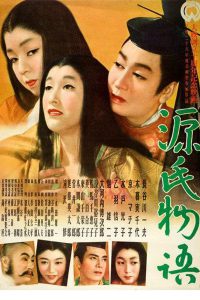
Genji Monogatari (1951) – AKA The Tale of Genji
📖 Storyline
Based on Murasaki Shikibu’s 11th-century literary masterpiece, Genji Monogatari follows the life of Prince Genji, a nobleman whose refined sensitivity and romantic pursuits unfold within the rigid etiquette of the Heian court. The film traces his relationships, emotional attachments, and gradual confrontation with loss, impermanence, and the limits of desire.
🎬 Movie Details
-
Year: 1951
-
Country: Japan
-
Director: Kōzaburō Yoshimura
-
Genre: Historical Drama, Romance
-
Runtime: 107 minutes
-
Language: Japanese
-
Studio: Daiei Film
-
Based on: The Tale of Genji by Murasaki Shikibu
👥 Cast
-
Machiko Kyō as Lady Fujitsubo
-
Kazuo Hasegawa as Prince Genji
-
Mitsuko Mito as Lady Rokujō
-
Nobuko Wakaba as Murasaki
📝 Review
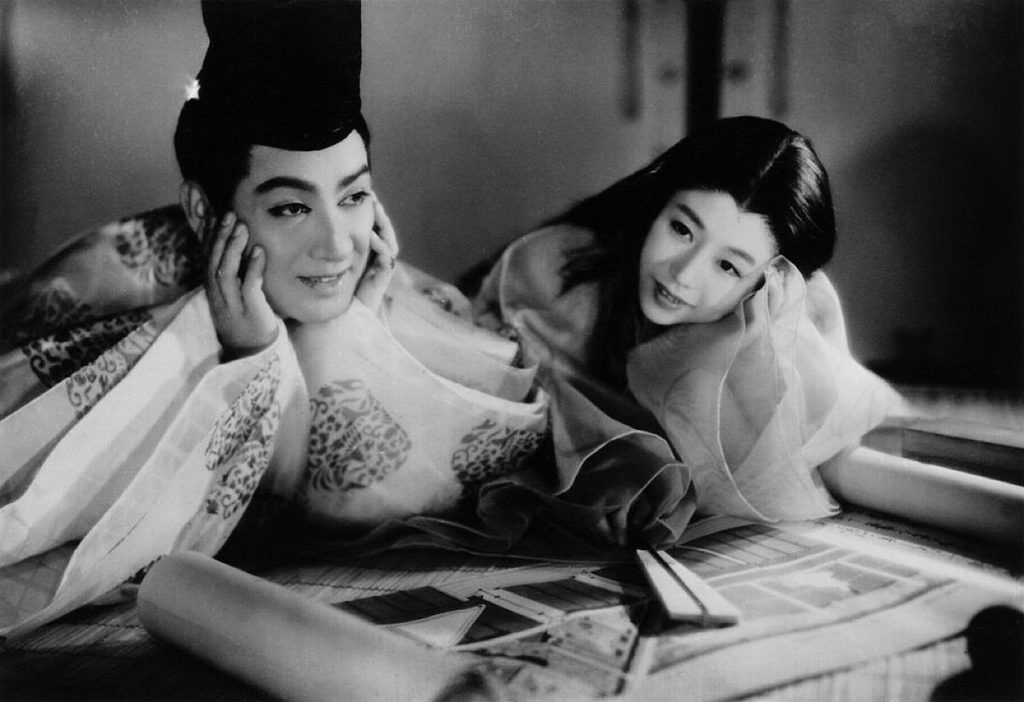
Genji Monogatari (1951) approaches its legendary source material with restraint and visual elegance. Rather than attempting to fully adapt the vast novel, the film focuses on atmosphere, emotional tone, and the quiet tension of court life.
Kazuo Hasegawa portrays Prince Genji as composed yet emotionally distant, while Machiko Kyō brings subtle intensity to her role, conveying longing through gesture rather than dialogue. Director Kōzaburō Yoshimura favors stillness and measured pacing, allowing the film’s beauty and melancholy to emerge naturally. The result is a dignified, contemplative adaptation that values mood over spectacle.
⭐ Why Watch This Movie
This film is essential viewing for anyone interested in classical Japanese culture and the cinematic translation of literary heritage. Instead of simplifying The Tale of Genji into a conventional romance, the film emphasizes emotional restraint, social obligation, and the unspoken costs of privilege.
What makes Genji Monogatari compelling is its focus on impermanence. Relationships are shaped not by passion alone, but by rank, duty, and timing. Love exists within boundaries that cannot be crossed without consequence. This creates a quiet tension that feels profoundly different from Western historical romances.
Visually, the film reflects traditional Japanese aesthetics: controlled compositions, deliberate movement, and a deep respect for space and silence. Emotions are conveyed through posture, pauses, and glances, rewarding attentive viewers. The film’s pacing encourages reflection rather than emotional release.
For modern audiences, Genji Monogatari offers a rare cinematic experience—one that invites patience and contemplation. It is not a story about triumph, but about acceptance, memory, and the fleeting nature of beauty. As an adaptation of what is often called the world’s first novel, the film stands as both a cultural artifact and a quietly moving drama.
🎞️ Similar Movies
-
Ugetsu (1953)
-
Sansho the Bailiff (1954)
-
The Life of Oharu (1952)
-
Gate of Hell (1953)
❓ FAQ
Is this film a complete adaptation of the novel?
No. It selects key emotional threads rather than attempting to cover the entire novel.
Is prior knowledge of The Tale of Genji required?
No, but familiarity with the story enhances appreciation of its subtleties.
What type of audience would enjoy this film most?
Viewers interested in classical Japanese cinema, literature-based films, and slow, contemplative storytelling.
Is the film visually focused or dialogue-heavy?
It relies more on visual composition and atmosphere than extensive dialogue.
⇓ DOWNLOAD OPTIONS ⇓
Genji monogatari (1951).mp4 – 993.9 MB
💥💥💥
📂🎞️ Rare Movies Download Folder
🔥🔥🔥