Japanese cinema encompasses far more than its internationally celebrated masterworks. Alongside the canonical films of Kurosawa and Ozu, there is a vast tradition of quieter domestic dramas from Mikio Naruse, transgressive art cinema from Shuji Terayama and Nagisa Oshima, extreme provocations from Takashi Miike, and unexpected genre hybrids from directors who resisted easy categorisation.
The fifteen films here span eight decades, from the restraint of early post-war drama to the radical experimentation of the 1970s and the emotionally exacting art cinema of the 1990s and 2000s. Most are rarely discussed outside specialist circles, but each one rewards careful attention.
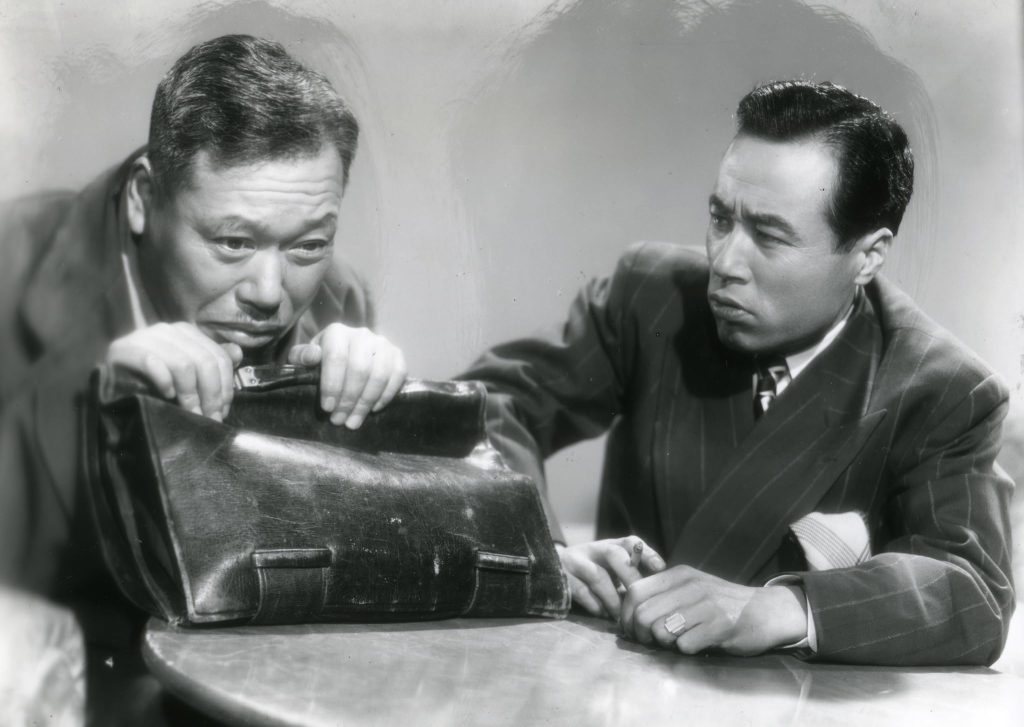
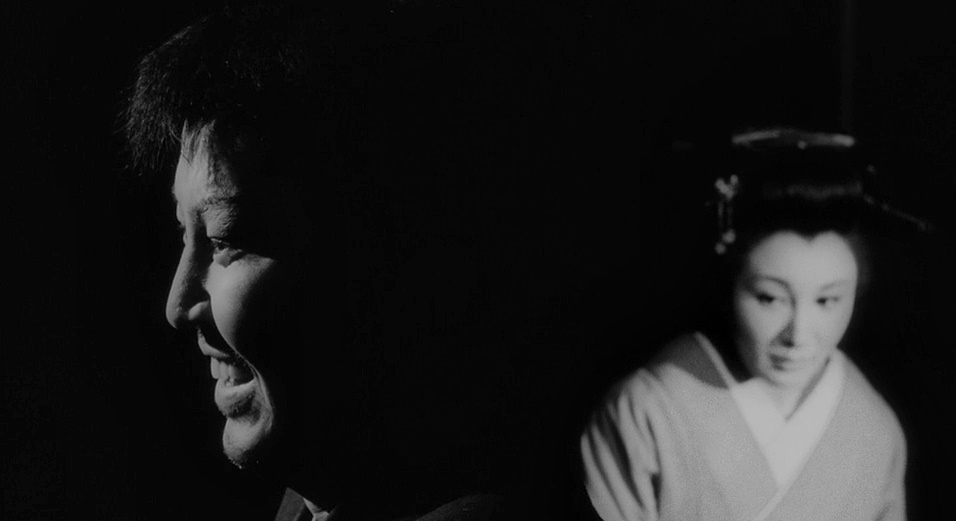
A celebrity photograph sparks a court case as a tabloid magazine spins a scandalous yarn over a painter and a famous singer. Reviewers say ‘Scandal’ showcases Kurosawa’s masterful direction and prescient social commentary on tabloid journalism that remains strikingly relevant today.
Shimura’s compelling performance as a conflicted lawyer anchors the film’s exploration of moral redemption and integrity.
Best for: When you want early Kurosawa dealing with press freedom and personal dignity.
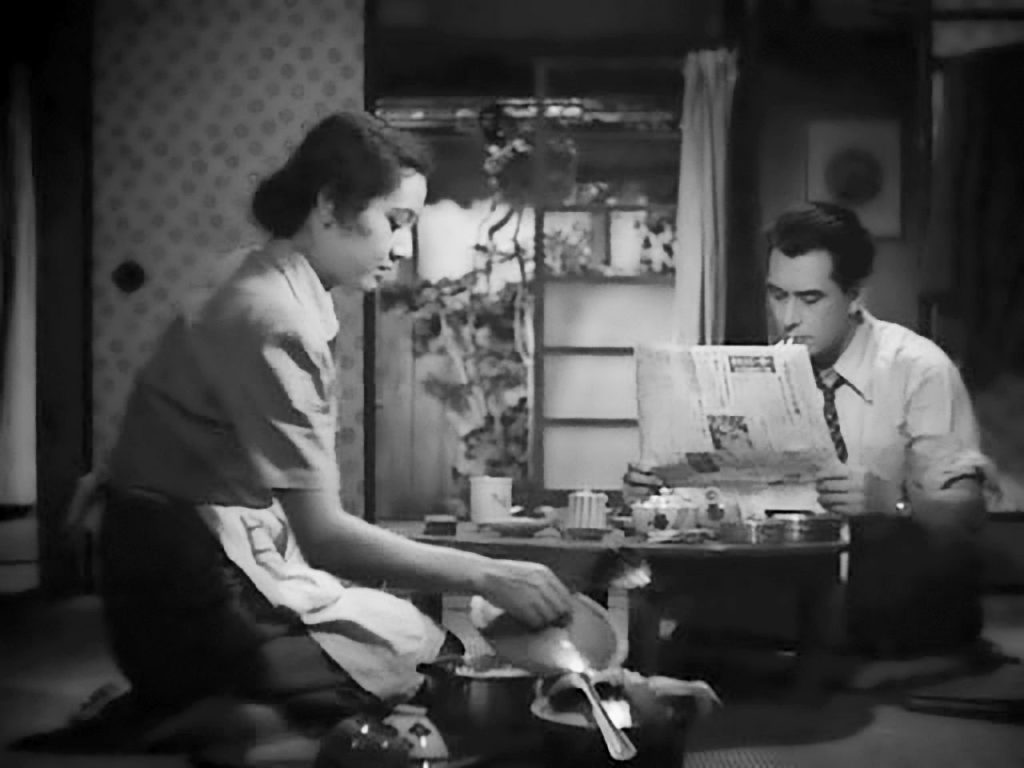
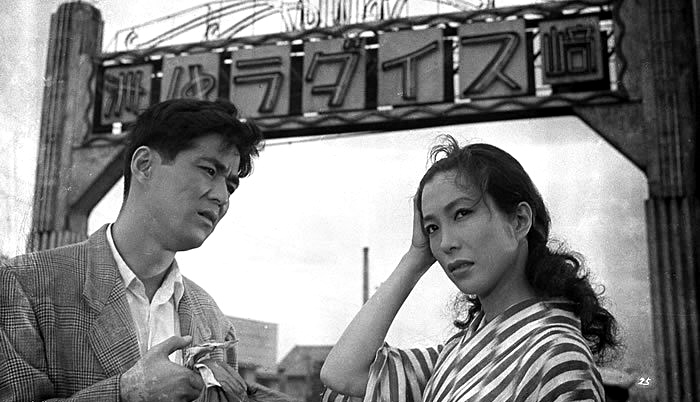
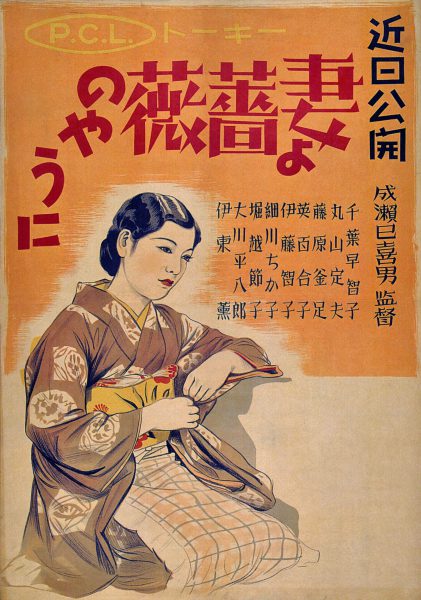
Michiyo moved to Osaka two years ago, when her husband Hatsunosuke who works at a stock brokerage was transfered from Tokyo. She wash, cook and clean 365 days a year. All the dreams and hopes she had when they got married five years ago seems to be gone.
From here on we follow the everyday life of Mr. and Mrs. Okamoto. Director: Mikio Naruse.
Best for: When you want a quiet, honest Naruse film about a marriage slowly coming apart.
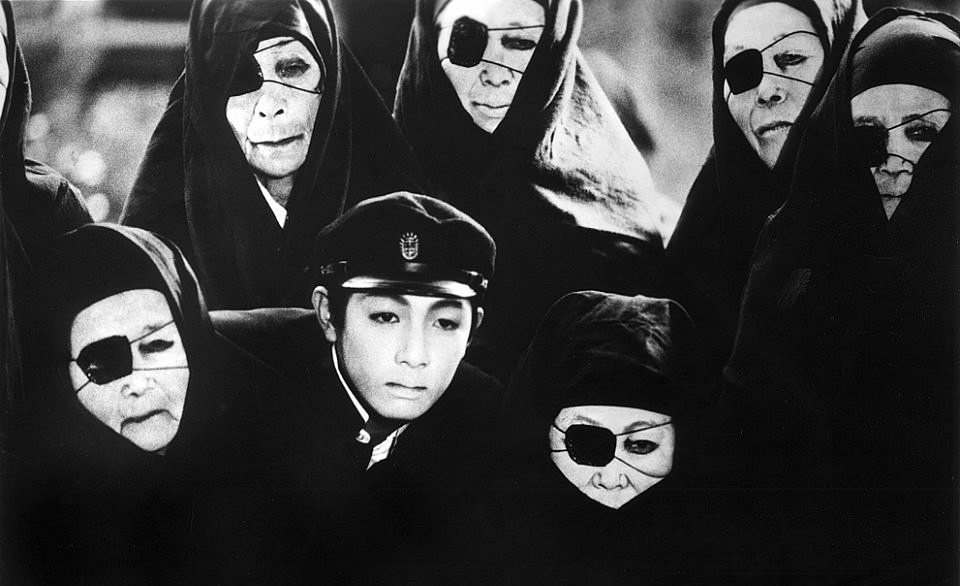
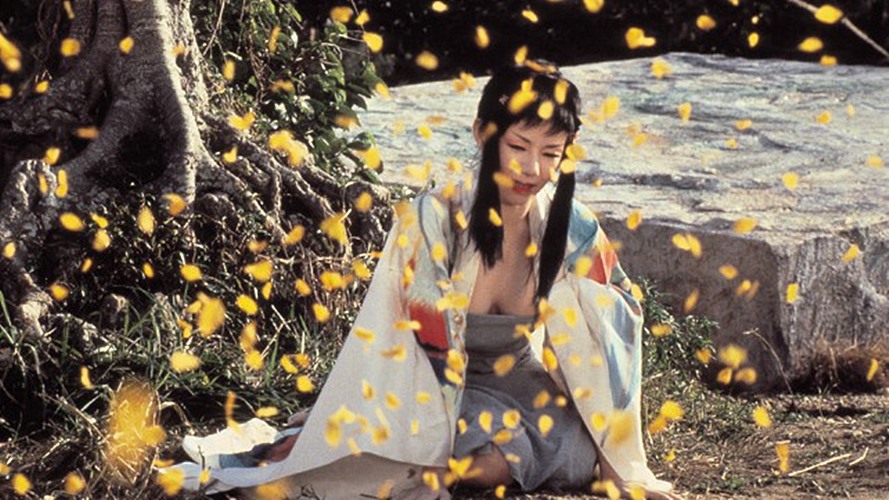
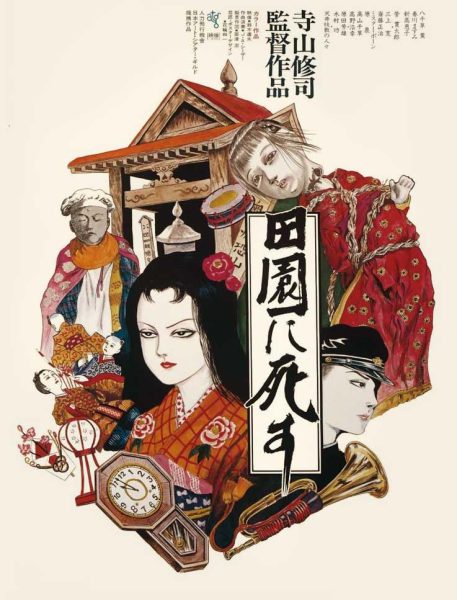
Set in a dreamlike rural Japan, the story starts out to be about an adolescent boy’s attempt to escape his overprotective mother and then surprisingly becomes a filmmaker’s desire to confront his own elaborated creation. There is also an effort to reconcile the individual with the collective or old and new Japan through this parade of emblematic images.
Gossiping women wear sinister eye patches. An outcast simple-minded woman drowns her own baby and later returns as a sophisticated prostitute.
Best for: When you want Shuji Terayama’s visually extraordinary experimental cinema.
8. Taiyô wo nusunda otoko (1979) AKA The Man Who Stole the Sun
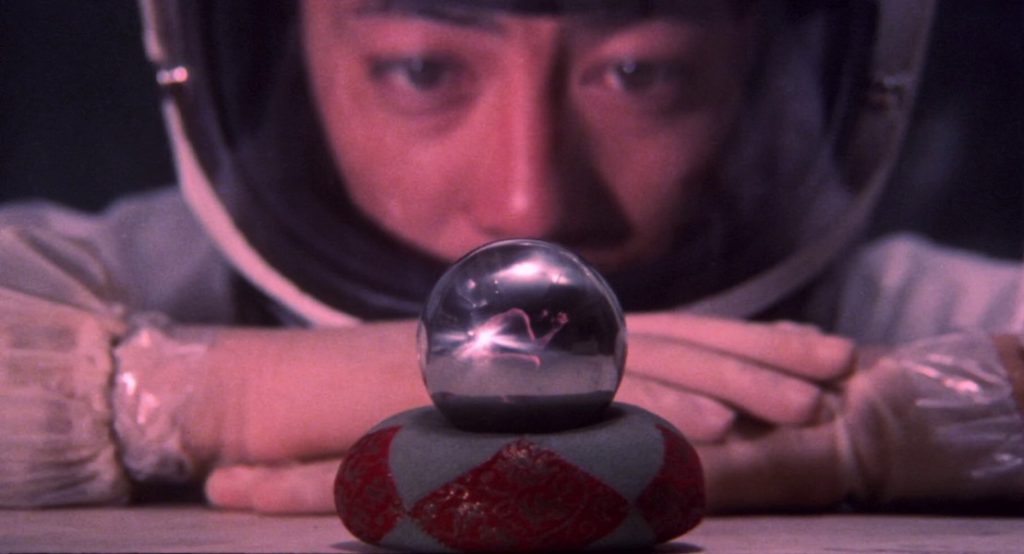
A high school science teacher builds an atomic bomb and uses it to extort the nation, but cannot decide what he wants. Meanwhile, a determined cop is catching up to him, as is radiation poisoning.
Director: Kazuhiko Hasegawa. AKA 太陽を盗んだ男 / The Man Who Stole the Sun Writers: Leonard Schrader (screenplay) (as Renâdo Shureidâ), Kazuhiko Hasegawa (screenplay), Leonard Schrader (story) (as Renâdo Shureidâ).
Best for: When you want one of the most audacious Japanese thrillers ever made.
9. Narayama bushikô (1983) AKA The Ballad of Narayama
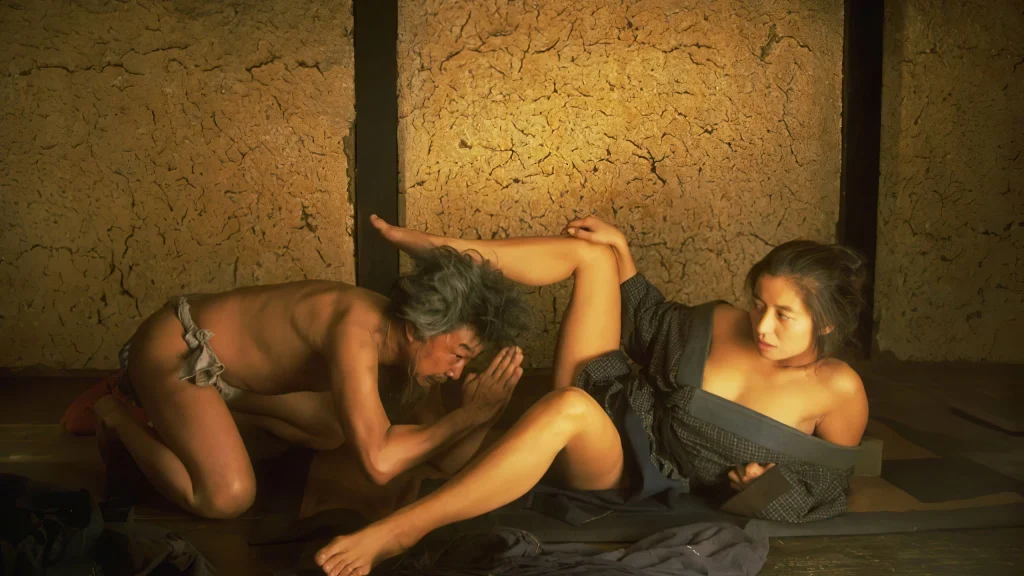
In a small village in a valley everyone who reaches the age of 70 must leave the village and go to a certain mountain top to die. If anyone should refuse he or she would disgrace their family. Old Orin is 69.
This winter it is her turn to go to the mountain. But first she must make sure that her eldest son Tatsuhei finds a wife. IMDB Rating: 7.
Best for: When you want primal, visceral cinema about life, death and rural community.
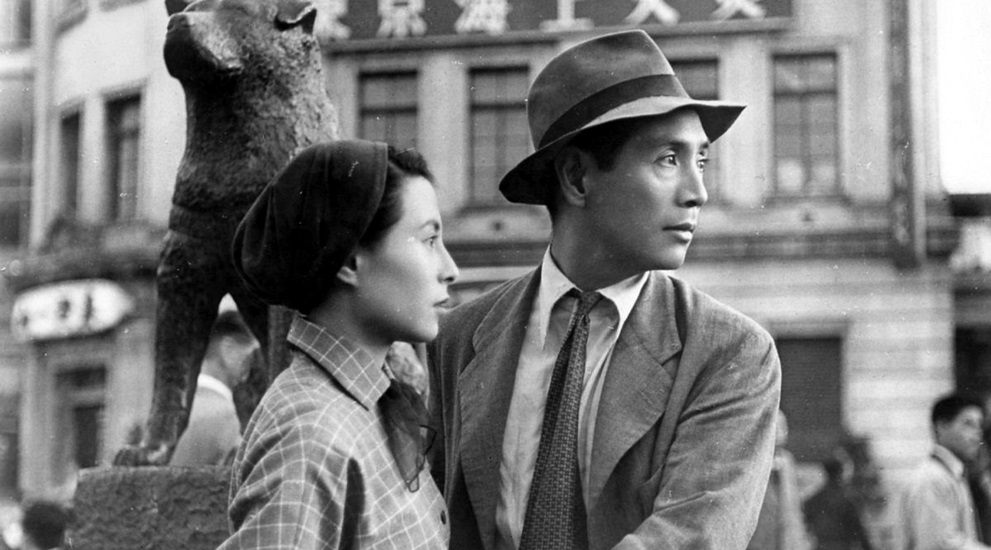
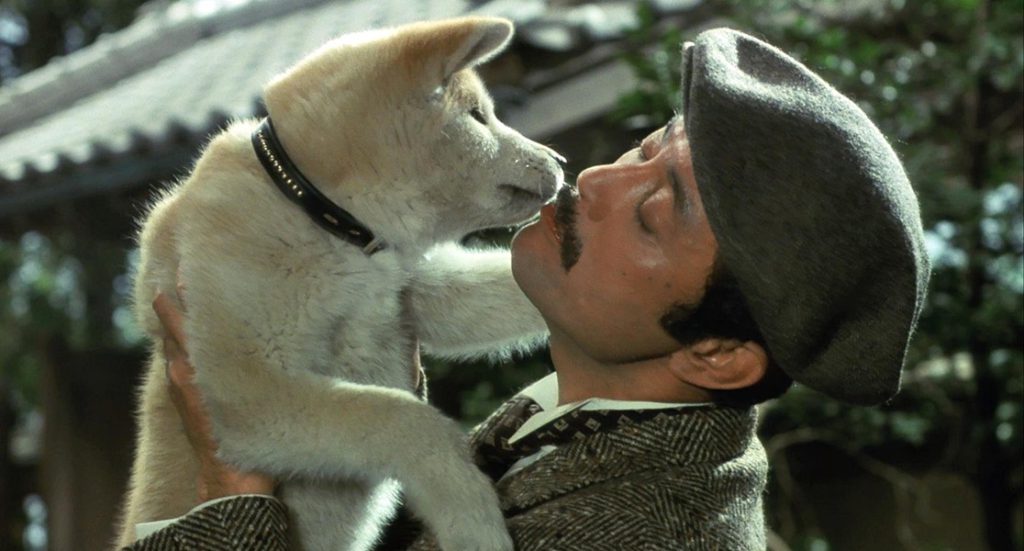
10. Hachikô monogatari (1987) AKA The Story of Hachikō / Hachi-ko
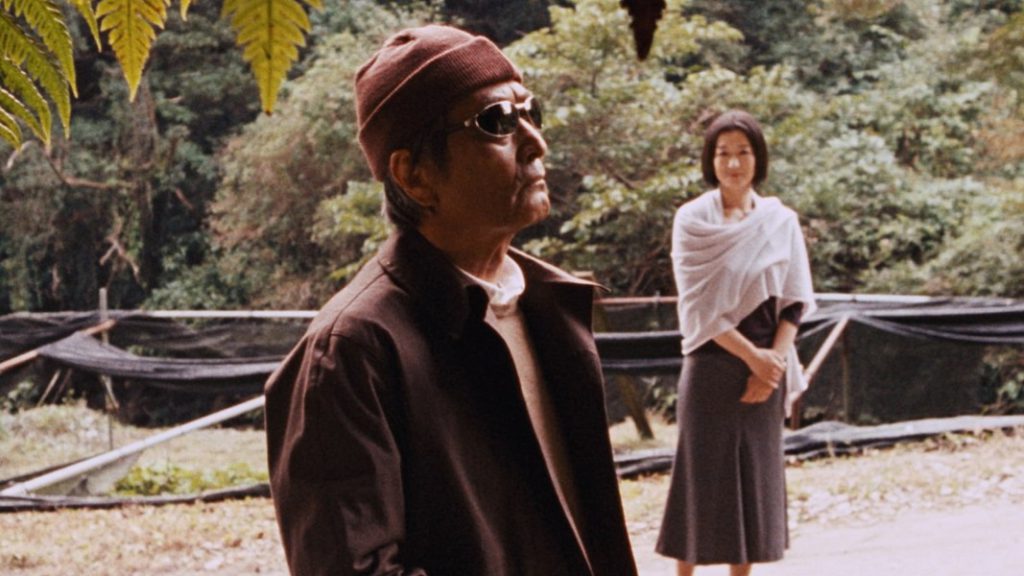
🎬 Eureka (2000) – ユリイカ Director: Shinji Aoyama Country: Japan Genre: Drama Year: 2000 Runtime: 217 minutes 📖 Plot Summary Eureka is a Japanese drama that follows the emotional aftermath of a traumatic bus hijacking incident. The story centers on three survivors: a withdrawn bus driver and two siblings who witnessed extreme violence at a young age.
After the incident, the characters struggle to reconnect with the world and with each other.
Best for: When you want a four-hour arthouse masterwork about trauma and connection.