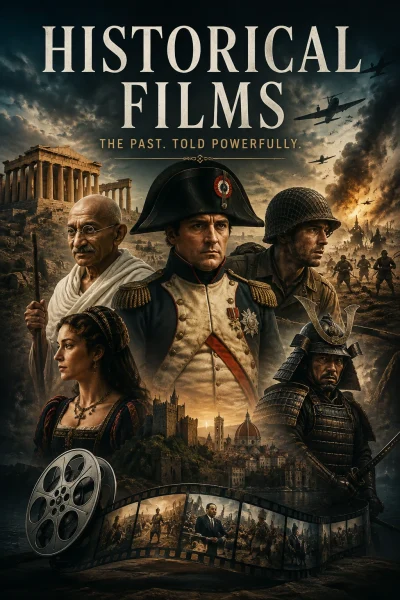
History is often remembered through dates, names and battles. Great historical films do something very different: they make the past feel human.
The twenty films on this list explore different periods and cultures, from ancient Rome and Renaissance Italy to the World Wars, colonial struggles and the political upheavals of the 20th century. Some are epic, some intimate, and some deliberately unconventional—but all use history as more than just a backdrop.
1. The Battle of Algiers (1966)
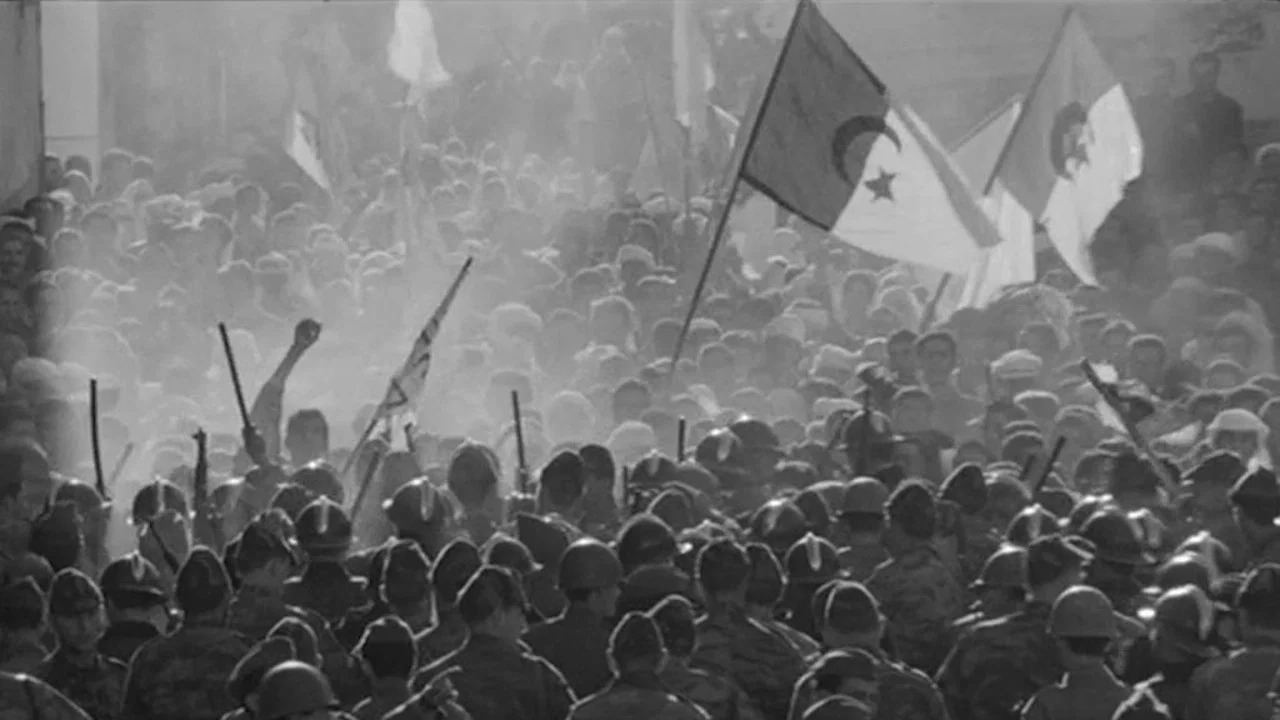
Gillo Pontecorvo’s The Battle of Algiers recreates the struggle for Algerian independence from French colonial rule with an almost documentary-like intensity. The story follows the conflict between French forces and the Algerian National Liberation Front as the resistance movement grows inside the Casbah of Algiers.
Rather than presenting history as a simple battle between heroes and villains, the film examines the methods, motivations and consequences on both sides. Its realistic visual style gives the events an immediacy that makes the film feel less like a conventional historical drama and more like a record of something that actually happened.
Few films demonstrate so effectively how political history is experienced by ordinary people caught inside it.
Best for: When you want historical cinema that feels immediate, political and uncompromising.
2. Gandhi (1982)
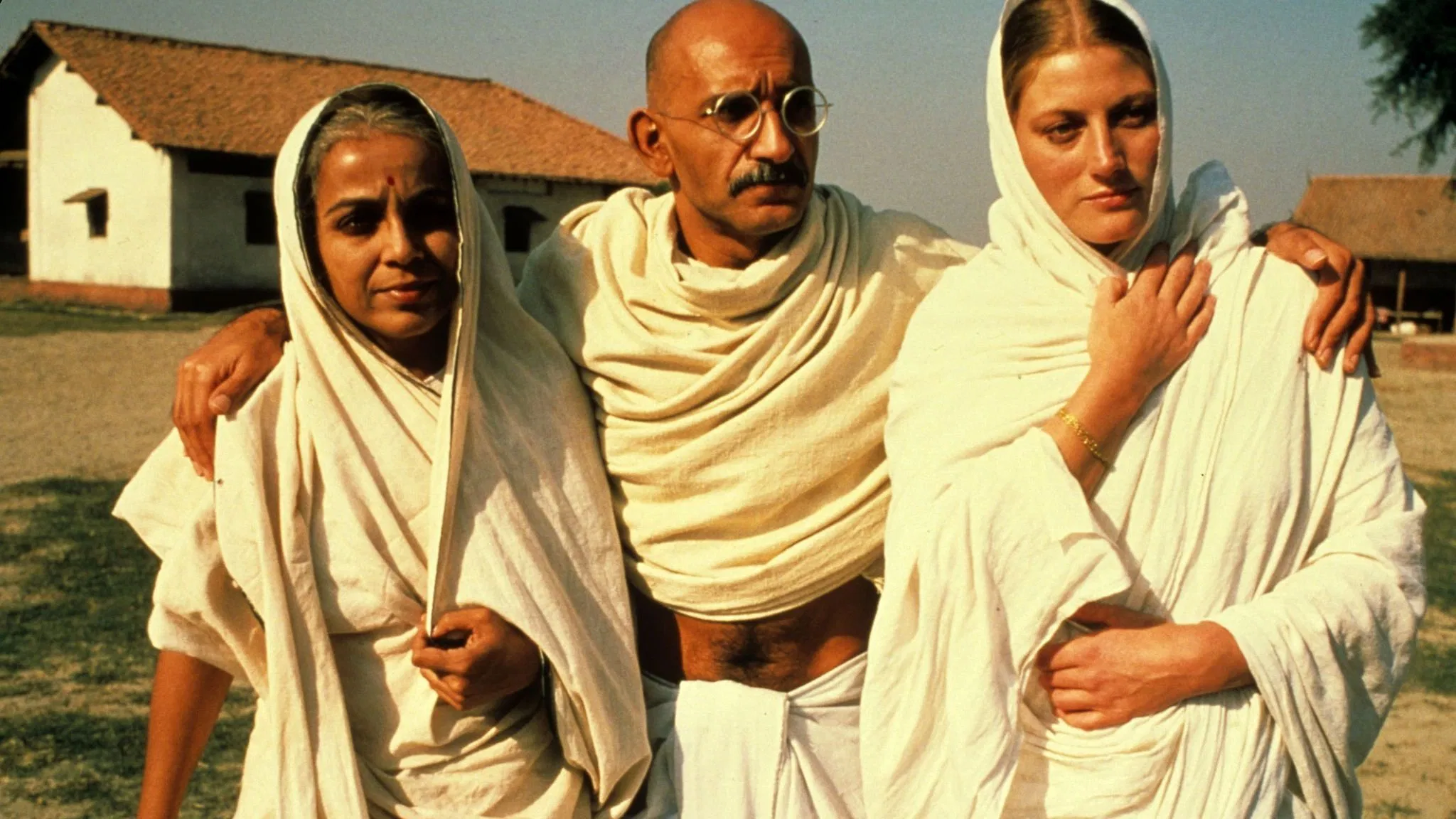
Richard Attenborough’s Gandhi follows Mohandas K. Gandhi from his early years as a British-trained lawyer through his transformation into the central figure of India’s independence movement.
The film focuses particularly on Gandhi’s commitment to nonviolent resistance. Faced with the power of the British Empire, he attempts to turn political resistance into a moral force, arguing that independence can be achieved without answering violence with violence.
Ben Kingsley’s performance gives the enormous historical story a deeply personal centre. Rather than concentrating only on political events, the film explores the discipline, contradictions and sacrifices behind Gandhi’s philosophy.
Best for: When you want a sweeping historical biography built around one extraordinary life.
3. O Thiasos (1975) – The Travelling Players
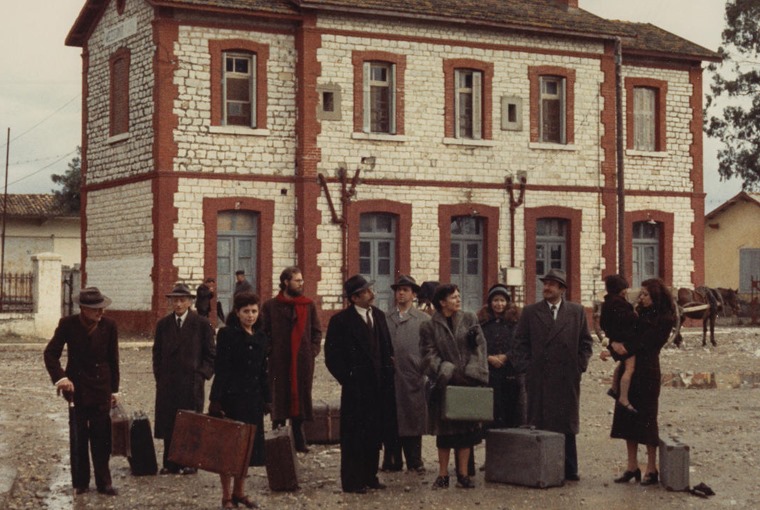
Theodoros Angelopoulos’ monumental The Travelling Players follows a troupe of actors travelling through Greece during the years surrounding World War II and the Greek Civil War.
Their theatrical production becomes a reflection of the political and social upheavals taking place around them. Personal relationships, political loyalties and family conflicts become intertwined with the country’s turbulent history.
The film deliberately avoids the conventional structure of a historical epic. Instead, Angelopoulos uses long takes, theatrical compositions and an observational style to show how decades of political change affect ordinary people.
It is demanding cinema, but also one of the most ambitious examples of using film to transform national history into personal memory.
Best for: When you want a serious, artistic historical film rather than a conventional period drama.
4. Napoléon (1955)
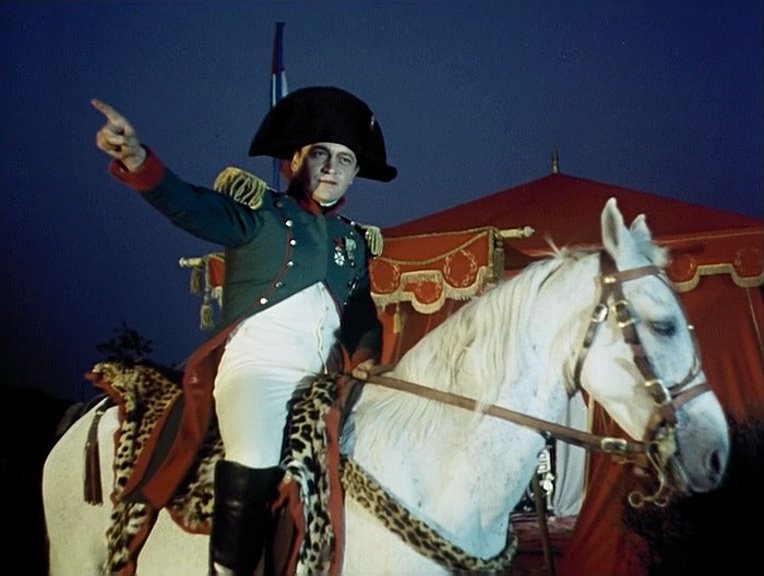
Sacha Guitry’s Napoléon approaches the life of Napoleon Bonaparte through the eyes of Talleyrand, the brilliant and cynical politician who served as the Emperor’s foreign minister.
Spanning Napoleon’s life from his birth in Corsica in 1769 to his death in 1821, the film combines political history, personal relationships and the extraordinary collection of personalities surrounding the future Emperor of France.
Its enormous ensemble includes Daniel Gélin, Raymond Pellegrin, Sacha Guitry, Jean Gabin, Yves Montand and Orson Welles, making the film as much a portrait of an era as of Napoleon himself.
Best for: When you want an old-school historical epic filled with major personalities and political intrigue.
5. A Man for All Seasons (1988)
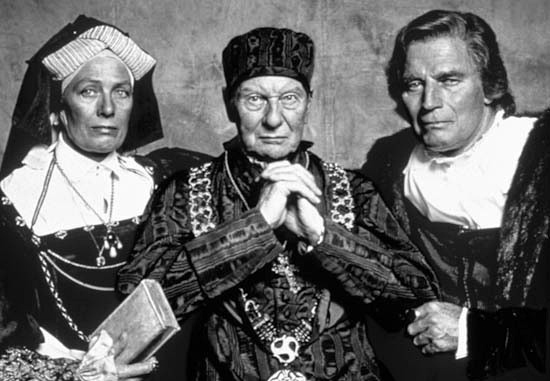
Set during the reign of Henry VIII, A Man for All Seasons follows Sir Thomas More as he is forced to choose between his principles and the demands of a powerful king.
Henry wants More’s support for his divorce, but More refuses to compromise his conscience. What begins as a political disagreement gradually becomes a dangerous confrontation between personal morality and absolute power.
The story works because its historical setting never overwhelms its central question: how far should a person go to preserve their principles when the consequences of refusing become increasingly severe?
Best for: When you want historical drama centred on conscience, political pressure and moral courage.
6. Hanussen (1988)
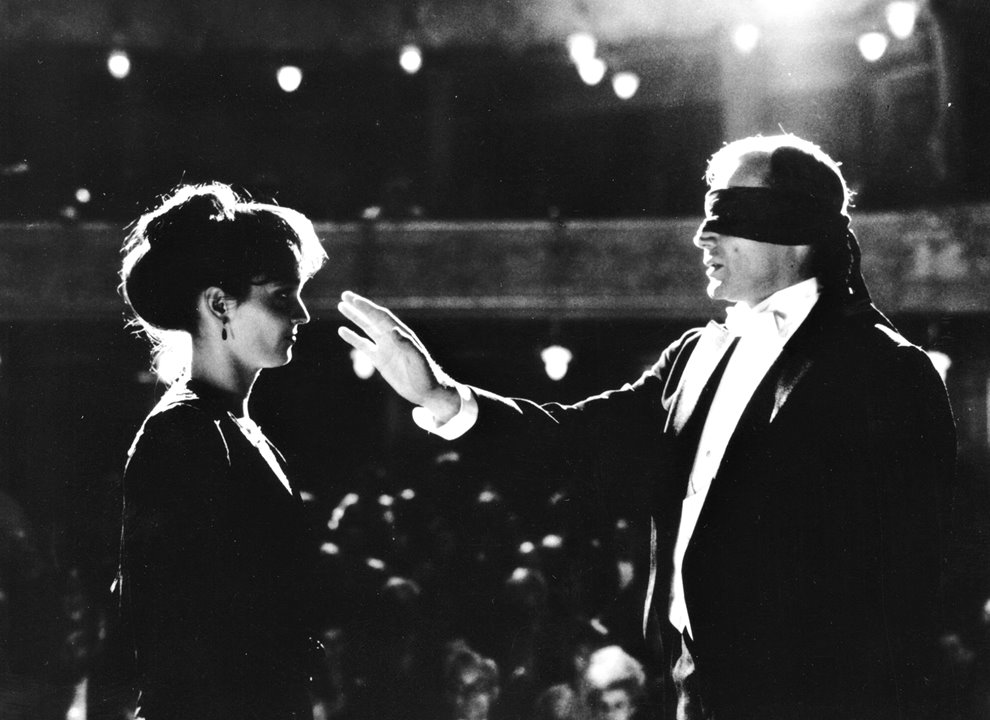
István Szabó’s Hanussen tells the story of Klaus Schneider, an Austrian soldier wounded during World War I who discovers an extraordinary ability to read minds and predict the future.
Taking the name Erik Jan Hanussen, he builds a career as a celebrated clairvoyant in Germany. His growing fame eventually brings him into contact with the political forces surrounding the rise of Hitler.
The film is particularly interesting because it places an unusual individual inside one of the most dangerous political transformations of the 20th century. Personal ambition, celebrity and political power gradually become impossible to separate.
Best for: When you want historical drama with political intrigue and an unusual central character.
7. Michael Collins (1996)
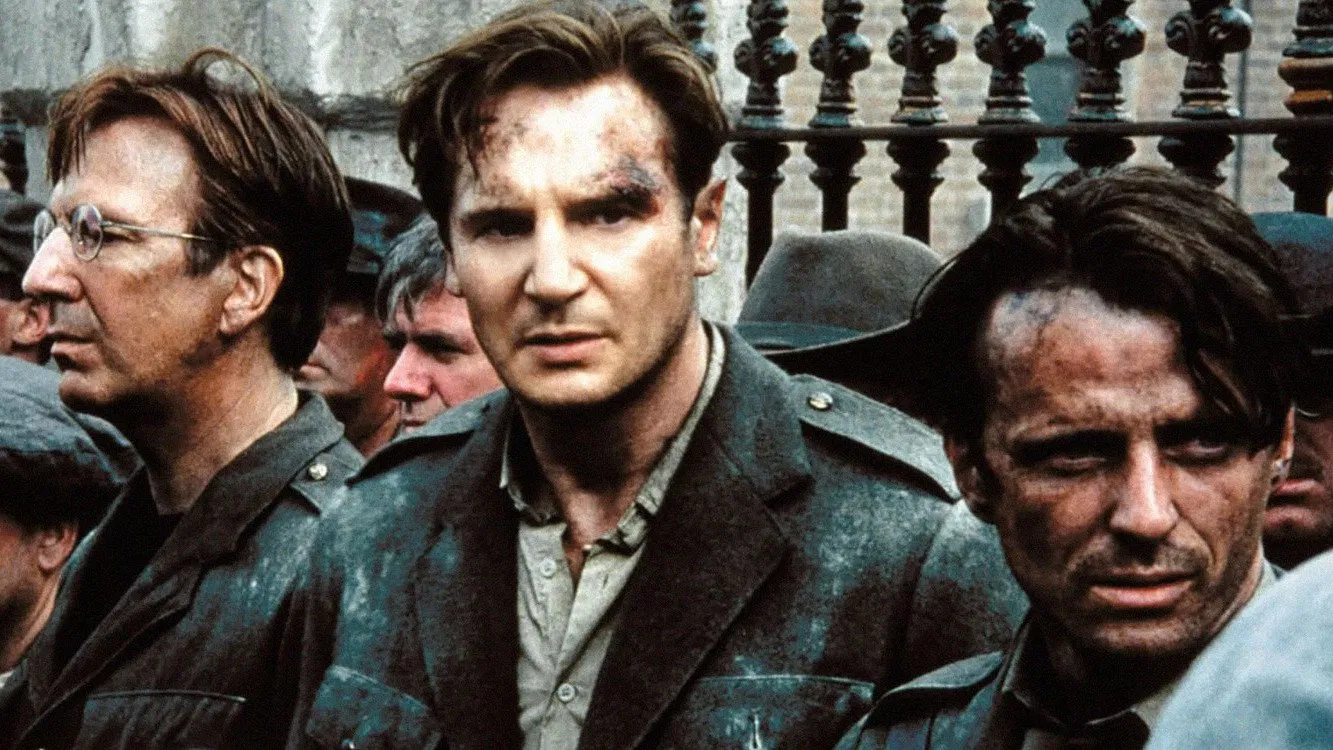
Neil Jordan’s Michael Collins follows the revolutionary leader who became one of the most important figures in Ireland’s struggle for independence from British rule.
After the Easter Rising, Collins develops a new strategy for the independence movement, using guerrilla warfare and an underground intelligence network to challenge British authority. His campaign eventually forces Britain to negotiate, but the resulting compromise creates a new conflict among the Irish themselves.
Returning from London with an agreement establishing the Irish Free State but accepting the partition of Ireland, Collins finds himself increasingly isolated from former allies.
Best for: When you want a compelling historical drama about revolution, independence and the difficult choices that follow political victory.
8. Charlotte (1980)
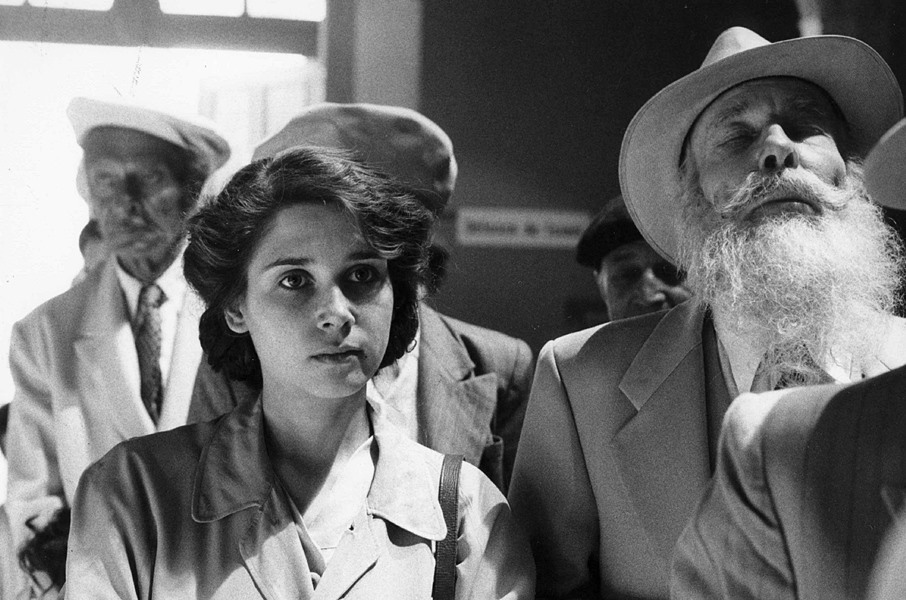
Charlotte follows Charlotte Salomon, a young Jewish German artist who leaves Berlin in 1939 and seeks refuge with her grandparents in the south of France.
As Europe descends into war, Charlotte turns to painting as a way of confronting the memories, family tragedies and political catastrophe surrounding her.
The film connects artistic creation with survival, showing how Charlotte attempts to preserve her identity and make sense of a world being destroyed around her.
Best for: When you want a deeply personal historical story about art, identity and survival.
9. Wernher von Braun (1960) – I Aim at the Stars
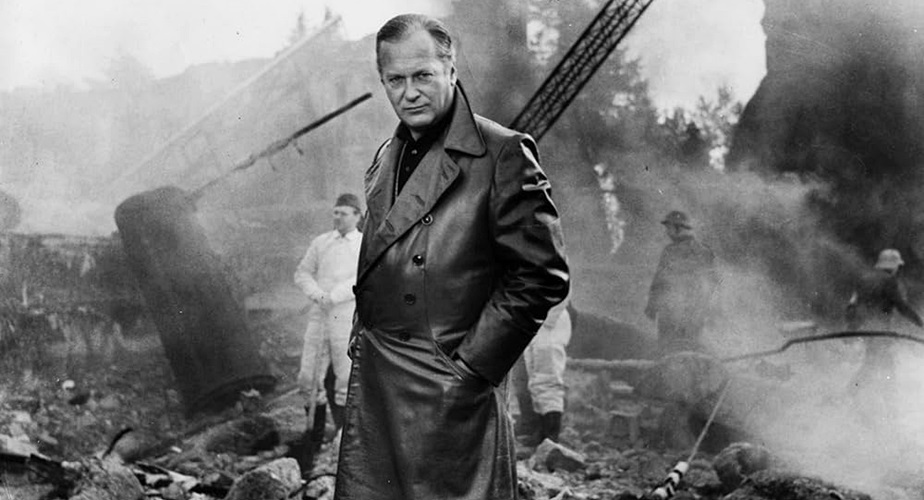
I Aim at the Stars tells the story of rocket scientist Wernher von Braun, one of the most important and controversial figures in the history of space exploration.
Von Braun helped develop the V-2 rocket during World War II before eventually becoming a central figure in America’s space program.
Best for: When you are interested in the complicated relationship between science, war and technological progress.
10. Wyrok zycia (1933) – Life Sentence
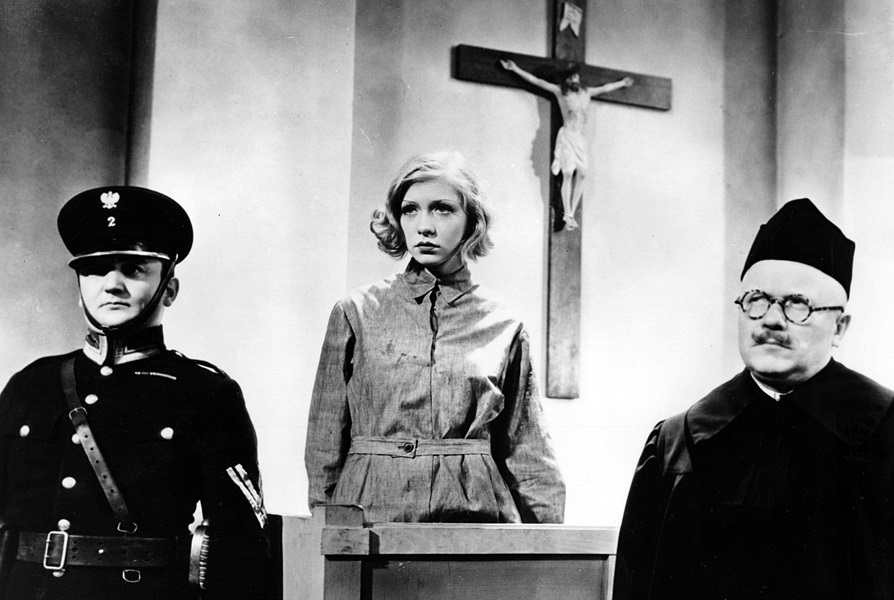
This early Polish drama follows Jadzia, a young woman sentenced to death for the murder of her child. Shocked by the verdict, lawyer Krystyna decides to defend her in the second instance of the case.
As Krystyna investigates Jadzia’s past, she discovers a tragic story involving seduction, manipulation and circumstances that are far more complicated than the original accusation suggests.
Best for: When you want to discover lesser-known historical cinema from before World War II.
11. Dao cao ren (1987) – Strawman
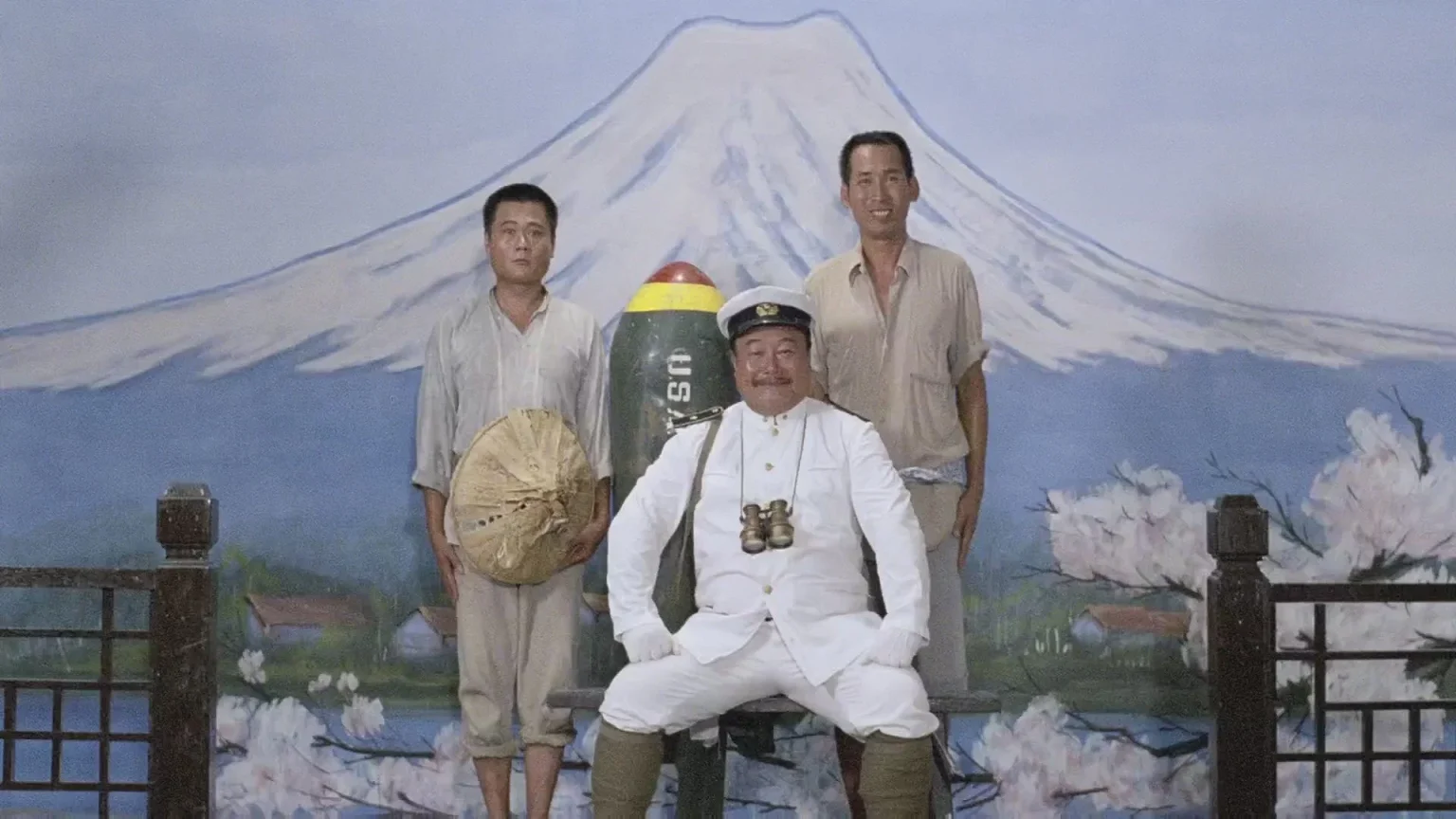
Wang Toon’s Strawman uses dark humour and an unconventional perspective to portray ordinary people living under Japanese rule in Taiwan during the final years of World War II.
Rather than turning the period into a conventional war spectacle, the film observes how ordinary villagers experience a conflict shaped by forces far beyond their control.
Best for: When you want historical cinema that combines war, social history and dark humour.
12. Bastarden (2023) – The Promised Land
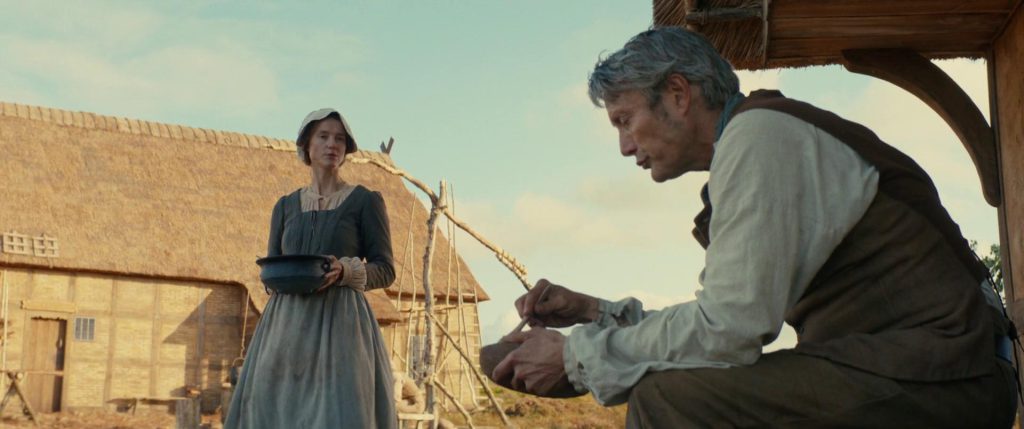
In 1755, soldier Ludvig Kahlen arrives on the barren Jutland heath determined to cultivate the land and earn wealth and honour. His ambition brings him into direct conflict with the powerful landowner Frederik De Schinkel.
The film turns the struggle to tame the Danish landscape into a story about class, power, ambition and resistance.
Best for: When you want a modern historical epic with a strong sense of place and character.
13. Emitaï (1973) – Emitai
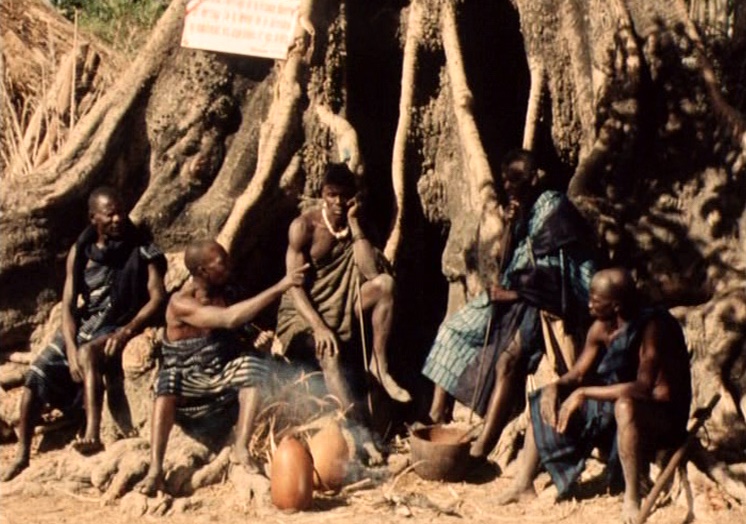
During World War II in Casamance, a Diola village confronts French colonial authorities attempting to requisition rice for the colonial army.
The men are conscripted or imprisoned while the women lead the resistance. Ousmane Sembène uses the conflict to examine colonial power, collective resistance, tradition and dignity.
Best for: When you want African historical cinema centred on colonialism and resistance.
14. Mortu Nega (1988) – Those Whom Death Refused
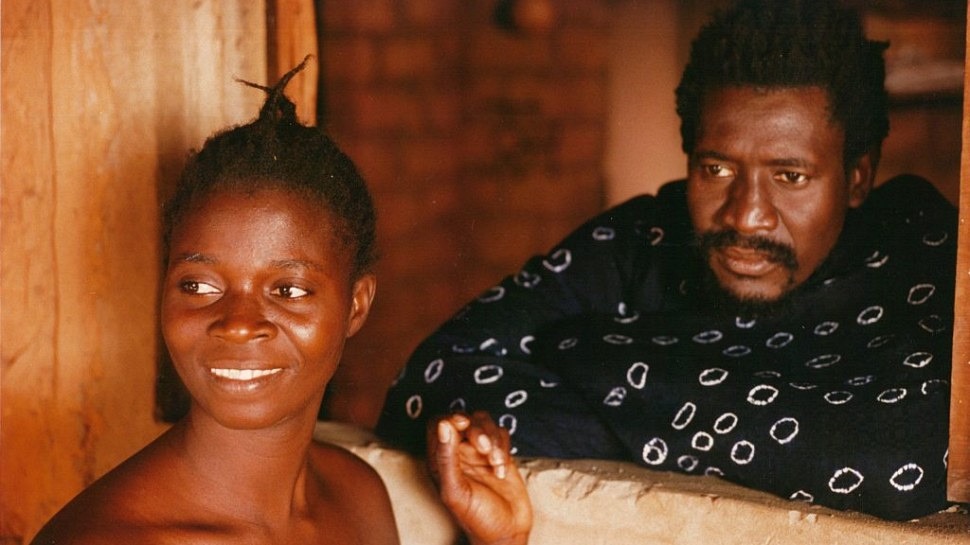
Flora Gomes follows a woman searching for her husband during Guinea-Bissau’s war of independence. When peace arrives, the survivors must learn how to live together again in a country devastated by war.
Rather than ending with independence as a simple victory, Mortu Nega asks what happens to ordinary people after the struggle is over.
Best for: When you want African history told from the perspective of those who survived it.
15. 80 huszár (1978) – 80 Hussars
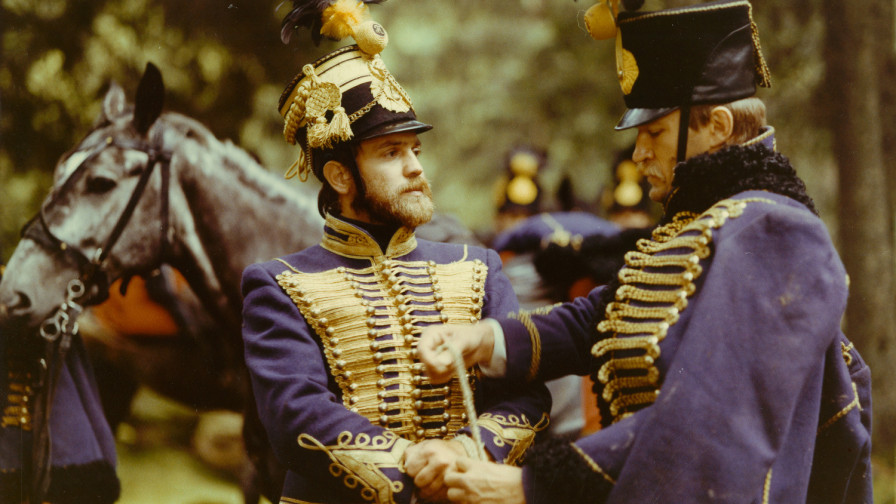
Based on the story of the Lenkey Hussar battalion, 80 Hussars follows Hungarian cavalrymen stationed in Poland who hear news of the 1848 Hungarian Revolution and decide to desert and return home.
The film transforms patriotism and homesickness into a difficult physical journey, showing the human cost behind revolutionary history.
Best for: When you want a harsh and grounded historical war film outside the usual canon.
16. Marg Yazdgerd (1982) – Death of Yazdgerd
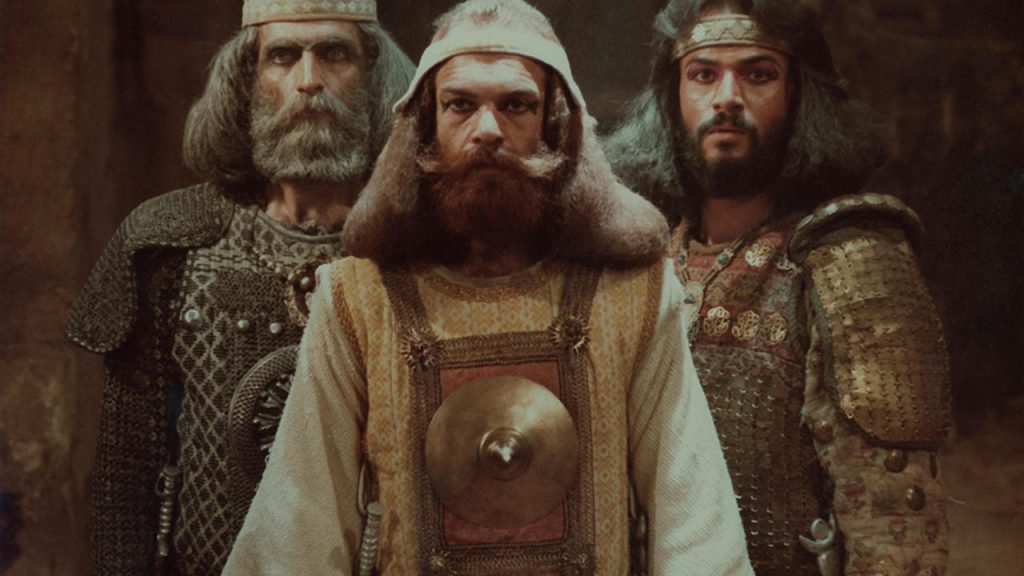
When the body of Sasanian King Yazdgerd III is discovered in a ruined mill, a miller, his wife and their daughter are accused of murder.
Bahram Beyzai turns this historical mystery into a poetic examination of class, power and the relationship between rulers and ordinary people.
Best for: When you want historical cinema that feels theatrical, political and deeply rooted in Iranian culture.
17. Beiqíng chéngshì (1989) – A City of Sadness
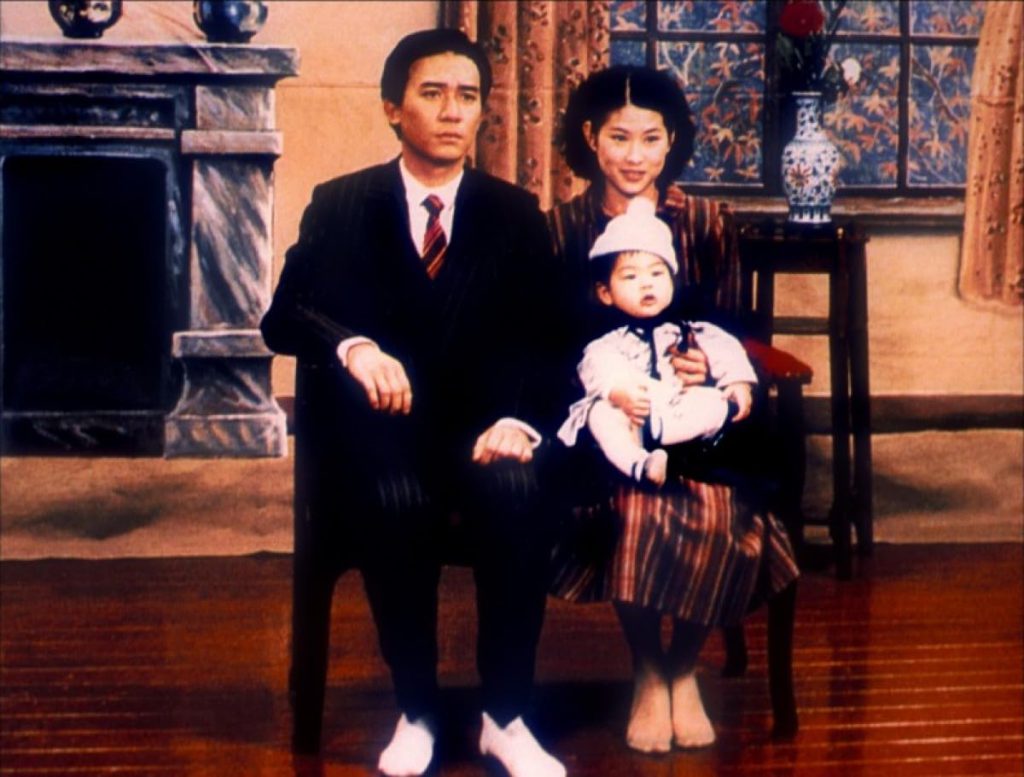
Hou Hsiao-Hsien’s A City of Sadness follows a Taiwanese family during the dramatic transition from Japanese rule to Chinese Nationalist rule after 1945.
Through the fate of the Lin family, the film explores political repression, cultural change, family conflict and the trauma left by war.
The film won the Golden Lion at the 1989 Venice Film Festival and remains one of the defining works of Taiwanese historical cinema.
Best for: When you want history presented through family, memory and political change.
18. Il mestiere delle armi (2001) – The Profession of Arms

Ermanno Olmi’s The Profession of Arms tells the story of Giovanni de’ Medici during the wars of the early 16th century.
Set during the conflict between Charles V and the Pope, the film focuses on the final days of a professional soldier as modern artillery begins to transform warfare.
Best for: When you want Renaissance history presented through the experience of a soldier rather than a king.
19. Giordano Bruno (1973)

Giuliano Montaldo’s Giordano Bruno follows the philosopher, poet and scientist as the Roman Inquisition attempts to bring him to trial for heresy.
The film places Bruno’s intellectual independence against the political and religious power of the Catholic Church at the end of the 16th century.
Best for: When you want historical drama built around ideas, intellectual freedom and religious power.
20. Chauthi Koot (2015) – The Fourth Direction
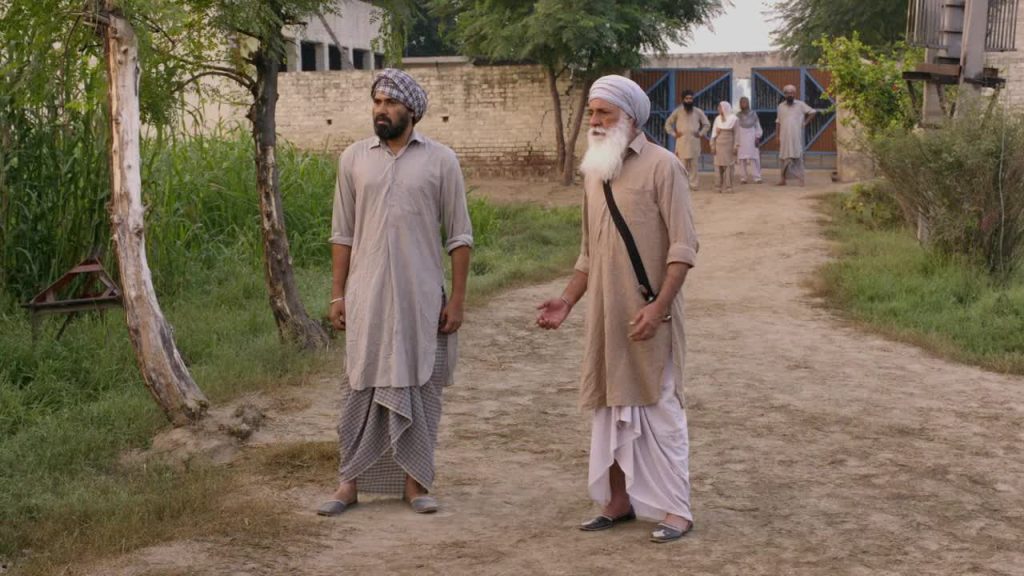
Set in rural Punjab during the violence surrounding Operation Blue Star in the 1980s, The Fourth Direction portrays a society consumed by fear and paranoia as separatists and security forces clash.
Rather than focusing on political leaders, the film observes ordinary people trying to survive in an atmosphere where trust itself has become dangerous.
Best for: When you want a restrained historical drama about political violence seen from the ground level.
Final Thoughts
Historical cinema works best when it does more than recreate costumes and buildings. The strongest films make us understand how people lived, what they feared, what they believed in and how enormous political events changed their private lives.
These twenty films offer very different approaches to the past. Some examine famous historical figures, others focus on ordinary people caught in extraordinary circumstances, while others explore colonialism, revolution, war, religion and political repression.
From Algeria and Senegal to Taiwan, Iran, Hungary, Denmark and India, the list deliberately moves beyond the standard Hollywood historical canon.
That is ultimately why great historical movies continue to matter: the past may be gone, but the people who lived through it were not so different from us.